Tag: PC Race
Grollen in the Steel Realms
Posted on September 18, 2015 in Steel-Realms

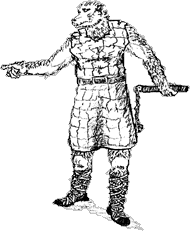
Approximately 2m – 2.3m tall,
@RP Impact:
The Grollen of the realms a fierce, prideful peoples. They are descendants of ancient Gnolls but consider themselves a separate race. At one time they ranged across the entire realms, but their numbers are diminishing due to competition. Grollen warriors are some of the few who can stand toe-to-toe against the fearsome Ork. They are desired for their fighting prowess by the other races though little else. Wherever they go, a party, mad sounds, dancing, violence, and broken crockery is sure to follow…
Character Details/Options
BARBARIAN (any path)
The [contentblock id=playlink1] is the defacto starting point for characters and races of the Steel Realms Setting (planet of Helca). Where the appears notes a Role-Playing challenge/opportunity.
Assessing Encounter Reactions, @Roleplay, and Narration elements.
Individual circumstances around Social Dealings will override any absolute predisposition. A backstory Character Chronicle or in game changes may provide exceptions.
Defining Experience: The dominant, pervasive culture of the race/species that evinces it's common physiologically and sociologically developed features. As they develop, the cultural norms are ingrained and stay with characters in absence of consciously ridding themselves of them (and their benefits).
Point of View (POV)
Encounter Reaction predisposition is Rejection by default.
Unwelcome/Ostracized
Encounter Reaction predisposition is Neutral by default.
Tolerated/Accepted
Encounter Reaction predisposition is Acceptance by default.
Welcomed/Embraced
Experience:
@RP Impact:
Cultural Stigma: Strong in ; Weak everywhere else; Their Stigma Offset(s) are >
i20™ Race/Species Details
i20 assumes you are familiar with DnD 5.0 SRD™ (ref ver 2014 DnD Wikidot) and the  ©PHB it is based off of.
Best Practice starting (@Character Inception) i20 Characters begin play with a PC Race/Species, a Background, and a Pathway of Experience all appropriate to their setting and no other CP unless noted by the Game Master.
Are you using Best Practice guidelines? (ask your Game Master)
This corresponds to the GNOLL? ( Race/Species) – See more at Characters of the Steel Realms.
The following aspects deviate from or add to the base values, though may also vary by setting, back story, and/or cultural experience; ‘Baseline’ values are just average/defaults to be used * without specific reference checks. *
Common Cultural Experience
The character comes from an area which has a dominant culture of the race/species and evinces it’s common physiologically and sociologically developed features. As they develop, the cultural norms are ingrained and stay with them in absence of consciously ridding themselves of them (and their benefits).
> This inherits from: None.
This race uses all the standard essential Attributes. Characters inherit the primary Developed Attribute Disposition by default (not optional). Adjustments are noted as specific Attributes or Attribute Group(s).
- Adjustments: -1 Charisma, -1 Reason, +2 Vigor (Constitution)
- Minimums: Vigor 12, Strength 10, Perception 10
- Maximums: Vigor 22, Charisma 18, Sanity 17, Reason 18
Open Cultural Experience
Wherever the character grew up, they eschewed the common cultural experience in favor of a more individualistic approach to life. While they are aware of the cultural norms, they chose not to be confined by them and not to benefit from them, and any unconscious behavior that reflects them gradually fades over time. Unless noted, all Archetype options are available.
Shared Physiological Details
The following elements reference game details that are physically part of every character of this race/species:
 iCore™ Race/Species Details
Shrouded History: They were not as they once were. Grollen were once the mortal enemies of… all. Their origins are shrouded in mystery, but it is known that they once fought for the gods of evil and darkness and were as great a foe as the Orrish. But the Grollen walked from the dark and into the light. Their very countenance has changed from the ancient depictions of them.
Further Race/Species Details
Children of the Moon Mistress: They venerate Ezrilus the Moon Mistress as their patron goddess. In their past, the warlords ruled the clans and families, but since adopting (or rather being adopted) by their new patron, they have reorganized as a matriarchal society – their pack-mothers and seeress’ having control of their migrations and settlements. They channel their rage and fury into moots of howls, dance, feasting and wrestling.
Thirst for Blood: They have an uncontrollable compulsion of blood-lust. All Grollen still possess the deep spark of chaos and violence of their origins. They must make a DC 10 Sanity check when starting battle to avoid falling into a blood-lust frenzy wherein they forgo all tactical advantage in their desire for bloody hand-to-hand melee combat.
Dead on Your Feet: Grollen have a reputation as being very hard to kill. Their fierce loyalty and blood-lust allow them to hold off death to protect their tribe, kin or brethren – committing themselves to their service in afterlife in return for the moon goddess’s inspiration. Grollen choosing to employ this are bathed in soft moonlight, and must make a Constitution check each time they are hit, DC = the last damage they took; a natural 20 always succeeds. Success means they stay conscious and on their feet to the next round. There is no limit to the negatives HP from attacks, as long as the save is made. If the save is failed, or there are no more opponents, they die at the end of the round (no death saves; Spare the Dying will not work, requires Raise Dead or better to overcome). When those with Shared Litany choose this fate, for each other Grollen with Shared Litany for Ezrilus that sacrifice 1 Essence within 5m can join their essence to the effect and the fated Grollen gains 1 Resilience.
Grollen Characters
Players should read the What PC’s should know for Steel Realms.
Character Backgrounds
Dog Soldier
Professional scouts for the armies and forces that maneuver across the lands of Gladnor, as well as the premiere tribal warriors. They are also the ones that serve in Northgate Garrison or in bands in the south sometimes working with the High Kings rangers.
Requirements: CHA 8; -1 Essence (they “tame” themselves); CON 14
Skills: Perception
Languages: Speak Gladnorean (Understandable level)
Combat Discipline The character gains their proficiency bonus on Sanity checks to resist Bloodlust.
Fighting Spirit The Grollen on campaign are renowned for their ability to take punishment and keep going and to come back from the brink of death. On any specific death save check (the final one resulting in death) which may kill them permanently, they gain their proficiency bonus.
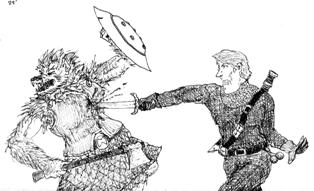
Shield Bite: A Grollen on Rampage wearing less than Heavy Armor that successfully bites can choose instead to bite a shield of an opponent. That shield no longer counts in AC, and the Grollen and target both lose half any Dexterity AC adjustment until the Grollen lets go or the opponent spends an action to disarm the shield.
Culture and Society
Tribal Matriarchs: Grollen tribes are organized around a Matriarch.
Faerie/Elves in the Steel Realms
Posted on September 18, 2015 in Steel-Realms
Faerie genus in the Steel Realms have more variety even than humans, though their population size is much smaller. Like any population, the normally life-allied elven population has its share of Faey, as well as the fallen ones that dwell in the underlight and persist by blood – Faet m’un. There are those which breathe underwater (Glyddin; “Sea Elves”), which fly and breathe the thin high air (Syphim; “Winged Elves”), and all manner and size of land dwelling variety. These are divided into two ‘camps’ as seen by the rest of the species on Helca; The deep forest dwelling Ynthian Elves and the Wyld Elves of open plains and natural places outside of the Forest of Ynth. There are no known settlements of the ancient Aelfs left on Helca – if there were ever any. Faerie races are treated with suspicion, as they are nearly as adaptable as humans and in direct competition most of them, but inscrutable to most humanoids.
@RP Impact: Reaction penalty in some places. Most faerie enclaves have some group that are Faerie Wind Weavers.
Official PC Races of the Steel Realms
- Aasimar (celestial descendant)
- Ducateon of the Steel Realms
- Dwarves of the Steel Realms
- Faerie/Elves in the Steel Realms
- Faeydark elves of the Steel Realms
- Grollen in the Steel Realms
- Half-Elves of the Steel Realms
- Half-Ork of the Steel Realms
- Halflings in the Steel Realms
- Humans in the Steel Realms
- Ilbarsi Tribe Characters in the Steel Realms
- Pine Tribes Characters in the Steel Realms
- Wyld Elves of the Steel Realms
- Ynthian Elves of the Steel Realms
i20™ Race/Species Details
i20 assumes you are familiar with DnD 5.0 SRD™ (ref ver 2014 DnD Wikidot) and the ©PHB it is based off of.
Best Practice starting (@Character Inception) i20 Characters begin play with a PC Race/Species, a Background, and a Pathway of Experience all appropriate to their setting and no other CP unless noted by the Game Master.
Are you using Best Practice guidelines? (ask your Game Master)
This corresponds to the HALFLING ( Race/Species)
The following aspects deviate from or add to the base race, though may also vary by setting, back story, and/or cultural experience; ‘Baseline’ values are just average/defaults to be used * without specific reference checks. *
Common Cultural Experience
The character comes from an area which has a dominant culture of the race/species and evinces it’s common physiologically and sociologically developed features. As they develop, the cultural norms are ingrained and stay with them in absence of consciously ridding themselves of them (and their benefits).
> This inherits from: None.
Open Cultural Experience
Wherever the character grew up, they eschewed the common cultural experience in favor of a more individualistic approach to life. While they are aware of the cultural norms, they chose not to be confined by them and not to benefit from them, and any unconscious behavior that reflects them gradually fades over time. Unless noted, all Archetype options are available.
Shared Physiological Details
The following elements reference game details that are physically part of every character of this race/species:
iCore™ Race/Species Details
Faey elves become incredibly powerful, very quickly, twisting their powerful soul-gem into a dead one, an intuitive tunnel to the power of the void.
Long Life Thread
Nearly ALL faerie races have a Long Life Thread, living more than 200 years.
d20 Raise Dead and equivalent/d20 Revivify and equivalent: Creatures with a Long Life Thread (ex: Elves) cannot be targeted by either of these spells (they simply fail) – it takes stronger spells to impact the character enough to bring them back from the dead.
Folk of copse and hill, folk of glade and wood, folk of sea and wave, folk of cloud and breeze, folk of grass and sky
the [contentblock id=playlink1] is the defacto starting point for characters and races of the Steel Realms. The Faerie of the Steel Realms correlate to the (Fey) Elves of DnD.
Common Aspects
 D20
D20D20 Feature Mechanics
- Soul Gem
- Faerie Meditation (the Dream Sleep): The faerie tap into the Feywild and Aelfpaths to take their mind to a different place. The 4 hours of Meditation for [most] faeries counts as Deep Sleeper and grants them the equivalent of a human 8 hours of rest, but the hour prior to and after can only be spent in contemplative state, resting, relaxing, reading and the like. The last 2 hours of the normal 8 required for rest can be spent in heightened alert – such as standing watch. If the hour before or after is interrupted, the character must make a DC 5 Sanity saving throw or the entire meditative effect must be started over again; Characters not resting suffer 1 point of Malaise (cumulative) until they can.
iCore Feature Mechanics
Faerie-Kin
Elves: Wild (sylvan) and Ynthian
Making Contact
The target will find themselves ‘watched’ by the tiny natural allies of the faeries. They will pointedly stop and stare, unblinking, and the targets pass – it should be obvious if the PC’s are paying attention that something is amiss. The small animals will generally not scurry away unless the targets approach threateningly. Those with Lore: Faerie or any sub race may make an Insight skill check DC 15 to understand the ‘faerie watchers’ are relaying what they see as a prelude to the faeries making contact.
Obscure Knowledge / Near-Impossible Difficulty
Displacement of the Aelfs: Only the elves of Ynth know that at one time about 500,000 years ago, their ancient brethren, the Aelfs, once dwelt on Helca. Were it not for only trace evidence of their spirits in Ynth, no one would know. The Aelfpaths of Helca were made by them, discovered by the elves of Ynth, and their existence kept secret. Once Ynth began its decline, more have become aware of them and started to explore them. The Elves of Ynth only know that at one point, they were on Helca, and then they were gone – before the coming of the Celestials. They do not know about the massive amount of Augmentum ( as it is known in the realms) that drew them. It also drew the dragons, and made powerful their dreams. Before a terrible war between the two could break out, the Aelfs left Helca completely, after only about 50,000 years of living peacefully and quietly. A few Faerie elders of the Steel Realms (mostly Ynthian) and Green Speakers know the legend of the unseen hand of the Winter Elves.
[related-subpages pageid=”659″ title=”Other Materials”]Ilbarsi Tribe Characters in the Steel Realms
Posted on September 18, 2015
Approximately 1.85m – 2m tall, human@RP Impact:
Character Details/Options
BARBARIAN (any path)
Dwelling in the Ilbarsi Peaks.
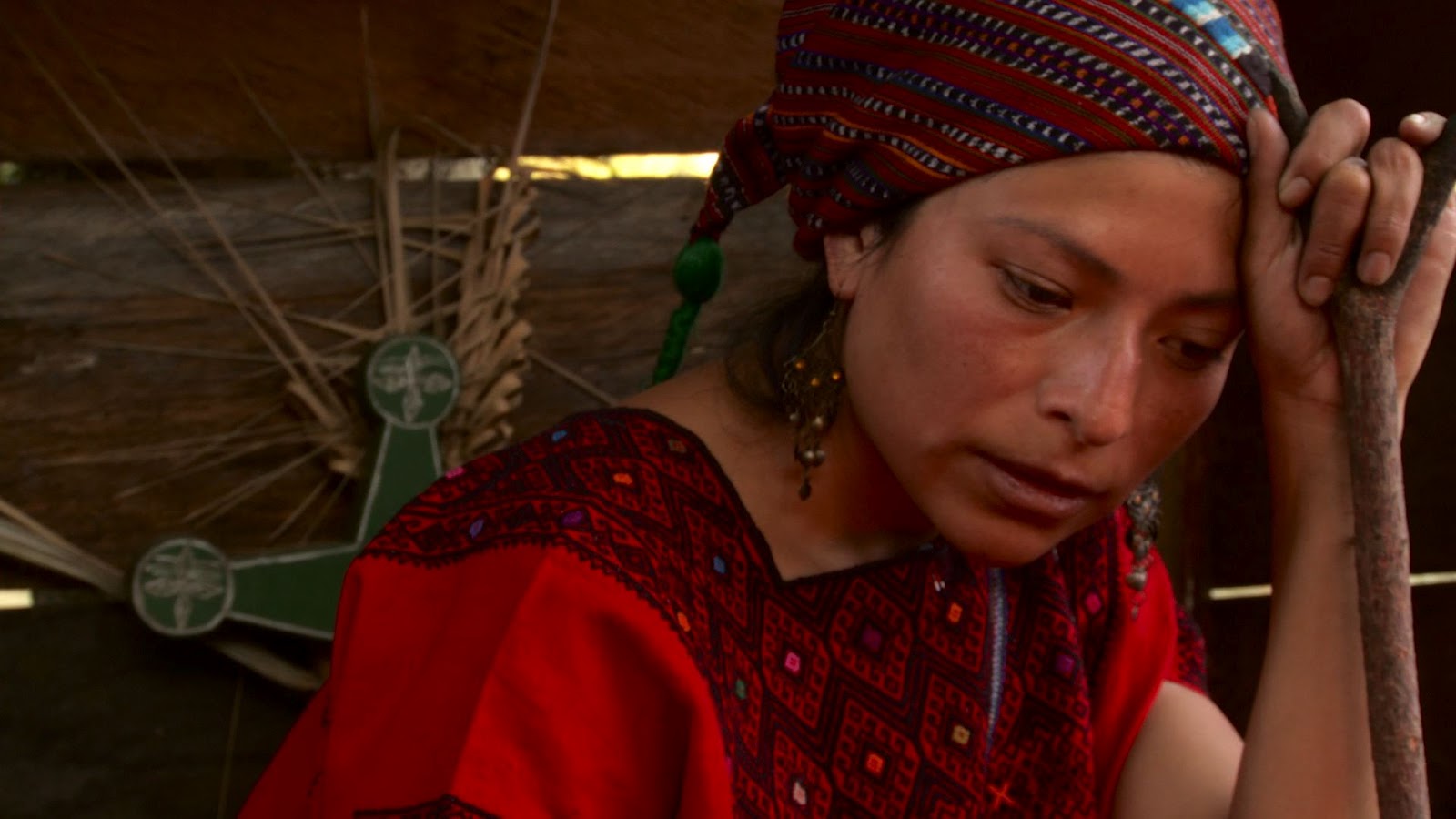


The [contentblock id=playlink1] is the defacto starting point for characters and races of the Steel Realms. The Human Ilbarsi Tribes people of the Steel Realms correlate to the Human race of DnD. Ilbarsi culture requires different options. They are closely related to the Pine Tribes scattered across the realms.
Unwelcome:
Accepted
Welcomed:
Ilbarsi Tribes Totem Warrior
The tribes have the standard totems available to them, plus an additional one.
Ram Totem Spirit: While Raging you cannot be knocked unconscious, prone or affected by anything which reduces your movement. Additionally, you need only half as much normal distance requirements for maneuvers and actions requiring movement.
Ram Aspect: You gain the focus and stability of the mountain ram. You have Advantage on all Sanity checks and any check involving climbing.
Pine Tribes Characters in the Steel Realms
Posted on September 18, 2015 in Steel-Realms
The PPine Tribes characters of the Steel Realms is one of the Cultural Experiences of the Steel Realms; They share a common culture and genetic stock from the Early History of the Pine Tribes, but there is no universal society or pure culture among all of them any more.
Approximately 1.75m – 2.1m tall, human, stocky, strong, hearty and healthy, independent minded. They are known for their adherence to traditions of the older ways and code of conduct _____.
@RP Impact:
Character Details/Options
BARBARIAN (any path)


The [contentblock id=playlink1] is the defacto starting point for characters and races of the Steel Realms. The Human Pine Tribe people of the Steel Realms correlate to the Human race of DnD. Pine Tribe culture requires different options. They are closely related to the Ilbarsi Tribes of the Eastern Heartlands.
Unwelcome:
Accepted
Welcomed:
Pine Tribes Totem Warrior
The tribes have the standard totems available to them, plus an additional one.
Boar Totem Spirit: While Raging, the boar grants you +5 on your Relentless Rage checks, and if you begin combat with a Dash action, any attempt to Parry or Dodge suffers Disadvantage and the attack gains the Pulverize effect regardless of the weapon used.
Boar Aspect: You gain the single mindedness and fierceness of the boar. You have Advantage on all Constitution checks automatically stay conscious on will alone for the first round after you are reduced to 0 HP.
Pine Tribes Spirit Warrior
Spirit Warriors are those who have pledged themselves to defend the natural places and spirits that dwell there. They despise the undead and animations as unnatural, and sometimes work with the civilized people who border their lands, and the High King’s Rangers in fighting them wherever they are fought. A Few legends exist where these warriors have become rangers themselves. these warriors leave the comfortable tribal life in favor of more remote places – places of powerful natural beauty and remoteness. Spirit warriors are calm, wiley, and helpful but relentless in combat against their hated foes. They are strong inspirations to the young, and many are quiet; experiencing long moments of stillness where they take in everything around them.
- Brave: The character gains Advantage on checks against fear.
- Calm: Loses the Rage ability of the barbarian is lost. Instead, the Reckless Attack is substituted (including uses and damage bonus); this ability triggers the Relentless and Persistent Rage abilities of 11th and 15th level.
- Animistic: The Spirit Warrior gains Magical Initiate feat and may choose from the Druid or Cleric powers.
> At 6th level they gain the use of Entangle 1/Long Rest as a Ritual – This special version is used for ambushes. Undead entangled in it take 4 damage per round as the vital forces of life tear apart animated dead and undead. This damage doubles at 12th level. - Exposure Outside: Skills Language: speak Mercat [Primitive] – bypasses Cultural Lag limitation.
- Critical Observer: At 6th level, the character gains the Critical Observer trait.
- Level-Headed: Codes of Conduct/Alignment of Malicious, Evil, or Chaos are prohibited; compulsions of Blood lust, Quick Tempered – or acting in any way like it – are prohibited.
Characters from the Hinterlands can attempt the Trial of Winter Walkers to be Winter Warriors as well.
Humans in the Steel Realms
Posted on September 18, 2015
Humans in the Steel Realms are far the most common and populous of all the race. Approximately 1.25m to 2.5m tall
@RP Impact:
Individual circumstances around Social Dealings will override any absolute predisposition.
Point of View (POV)
Defining Experience: The dominant, pervasive culture of the race/species that evinces it’s common physiologically and sociologically developed features. As they develop, the cultural norms are ingrained and stay with characters in absence of consciously ridding themselves of them (and their benefits).
Experience:
@RP Impact:
Cultural Stigma: Strong in ; Weak everywhere else; Their Stigma Offset(s) are >
Unwelcome/Ostracized
Encounter Reaction predisposition is Rejection by default.
Tolerated/Accepted
Encounter Reaction predisposition is Neutral by default.
Welcomed/Embraced
Encounter Reaction predisposition is Acceptance by default.
Official PC Races of the Steel Realms
- Aasimar (celestial descendant)
- Ducateon of the Steel Realms
- Dwarves of the Steel Realms
- Faerie/Elves in the Steel Realms
- Faeydark elves of the Steel Realms
- Grollen in the Steel Realms
- Half-Elves of the Steel Realms
- Half-Ork of the Steel Realms
- Halflings in the Steel Realms
- Humans in the Steel Realms
- Ilbarsi Tribe Characters in the Steel Realms
- Pine Tribes Characters in the Steel Realms
- Wyld Elves of the Steel Realms
- Ynthian Elves of the Steel Realms
i20™ Race/Species Details
i20 assumes you are familiar with DnD 5.0 SRD™ (ref ver 2014 DnD Wikidot) and the ©PHB it is based off of.
Best Practice starting (@Character Inception) i20 Characters begin play with a PC Race/Species, a Background, and a Pathway of Experience all appropriate to their setting and no other CP unless noted by the Game Master.
Are you using Best Practice guidelines? (ask your Game Master)
This corresponds to the HALFLING ( Race/Species)
The following aspects deviate from or add to the base race, though may also vary by setting, back story, and/or cultural experience; ‘Baseline’ values are just average/defaults to be used * without specific reference checks. *
Human Specific Cultural Experiences in the Steel Realms
iCore™ Race/Species Details
Human Variants
- Merovin in the Steel Realms
- Elon Characters in the Steel Realms
- Bronzemen Characters of the Steel Realms
- Exilion Characters in the Steel Realms
- Ilbarsi Tribe Characters in the Steel Realms
- Nakrian characters of the Steel Realms
- Pine Tribes Characters in the Steel Realms
- Rivermen Characters in the Steel Realms
Regional Experiences
Official PC Races of the Steel Realms
- Aasimar (celestial descendant)
- Ducateon of the Steel Realms
- Dwarves of the Steel Realms
- Faerie/Elves in the Steel Realms
- Faeydark elves of the Steel Realms
- Grollen in the Steel Realms
- Half-Elves of the Steel Realms
- Half-Ork of the Steel Realms
- Halflings in the Steel Realms
- Humans in the Steel Realms
- Ilbarsi Tribe Characters in the Steel Realms
- Pine Tribes Characters in the Steel Realms
- Wyld Elves of the Steel Realms
- Ynthian Elves of the Steel Realms
i20™ Race/Species Details
i20 assumes you are familiar with DnD 5.0 SRD™ (ref ver 2014 DnD Wikidot) and the ©PHB it is based off of.
Are you using Best Practice guidelines? (ask your Game Master)
The character comes from an area which has a dominant culture of the race/species and evinces it’s common physiologically and sociologically developed features. As they develop, the cultural norms are ingrained and stay with them in absence of consciously ridding themselves of them (and their benefits). Racial Based Differences: Racial experiences do not by default grant anything other than a primary language as defined by the Feature of Basic Communicator.
HUMAN VARIANT: This does NOT grant a Feat any longer; The variant typically gains an additional fluent spoken language. Unless the Setting or GM specifies they do not, humans variants gain the benefit of Dynamic Familiarity.
Wherever the character grew up, they eschewed the common cultural experience in favor of a more individualistic approach to life. While they are aware of the cultural norms, they chose not to be confined by them and not to benefit from them, and any unconscious behavior that reflects them gradually fades over time. Unless noted, all Archetype options are available.
Common Cultural Experience
> This inherits from: None.
Open Cultural Experience
Shared Physiological Details
The following elements reference game details that are physically part of every character of this race/species: